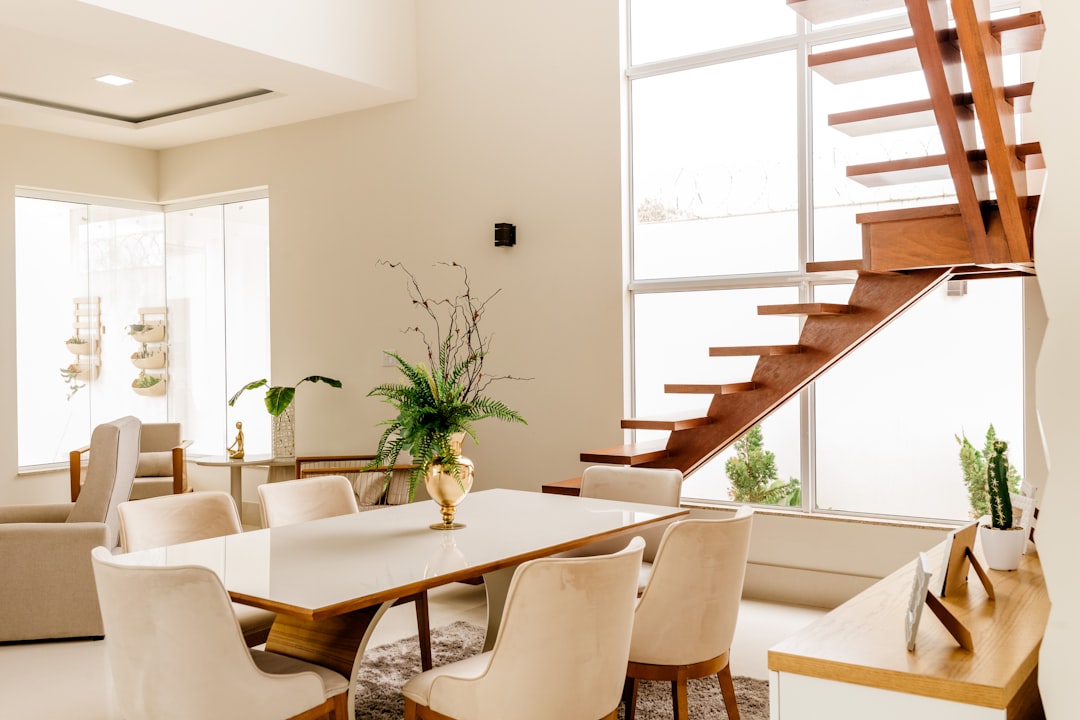
The desire to refresh your living space is a powerful motivator. Whether driven by a need for more functionality, a shift in lifestyle, or simply the pursuit of a more beautiful and comfortable home, embarking on a renovation is a significant undertaking. It requires a blend of inspiration, careful planning, and financial foresight.
Today’s homeowners are approaching upgrades with a strategic eye, balancing aesthetic dreams with practical realities. The most successful projects often start not with a sledgehammer, but with research and a clear roadmap. This guide explores the popular renovation ideas capturing attention and outlines the essential planning steps to turn those ideas into reality.
Popular Home Renovation Ideas Gaining Traction
Current trends emphasize creating personalized sanctuaries that enhance daily life. Homeowners are moving beyond purely cosmetic updates to focus on improvements that add tangible value, both in enjoyment and potential resale. Here are the key areas receiving significant investment.
Kitchen Transformations: The Heart of the Home
The kitchen remains the most popular room to renovate, and for good reason. It’s a central hub for cooking, gathering, and living. Current projects often focus on improving workflow and integrating smarter technology.
- Cabinet Refacing or Painting: A cost-effective alternative to full replacement, giving the space an entirely new look without the extensive demolition.
- Quartz Countertops: Prized for their durability, low maintenance, and wide variety of colors and patterns, they continue to be a top choice for surfaces.
- Statement Backsplashes: Using materials like handmade tile, slab stone, or even metal to create a focal point and add personality.
- Integrated and Smart Appliances: From hidden refrigerators to Wi-Fi-enabled ovens, the focus is on seamless design and convenience.
- Larger Islands with Seating: Creating a multi-functional space for food prep, casual dining, and socializing.
Bathroom Upgrades: Creating a Personal Spa
Bathrooms are being reimagined as retreats for relaxation and rejuvenation. The goal is to combine luxury with practical, easy-to-clean surfaces.
- Walk-in Showers with Curbless Entries: Offering a sleek, modern look and improved accessibility, often featuring rainfall showerheads and built-in benches.
- Freestanding Tubs: Serving as a sculptural centerpiece that evokes a spa-like atmosphere.
- Heated Floors: A coveted luxury that adds comfort, especially in colder climates.
- Double Vanities with Ample Storage: Reducing morning congestion and providing space for organization.
- Water-Efficient Fixtures: Combining environmental consciousness with modern design in toilets, faucets, and showers.
Outdoor Living Expansions
The line between indoor and outdoor living continues to blur. Homeowners are investing in turning their yards into fully functional additional rooms.
- Covered Patios and Decks: Creating shaded, weather-protected areas for seating, dining, and entertainment.
- Outdoor Kitchens: Featuring built-in grills, pizza ovens, refrigeration, and durable countertops for alfresco cooking.
- Fire Pits and Fireplaces: Extending the usability of outdoor spaces into cooler evenings.
- Landscaping for Privacy and Low Maintenance: Using native plants, decorative gravel, and strategic fencing to create a private oasis.
Flexible Interior Spaces
The way we use our homes has evolved, leading to renovations that prioritize adaptability and purpose.
- Home Office Integration: Dedicating space for remote work with built-in desks, soundproofing, and improved lighting.
- Finished Basements and Attics: Converting underutilized square footage into guest suites, home gyms, media rooms, or playrooms.
- Open Floor Plan Refinements: Sometimes involving removing non-load-bearing walls to improve light and flow, or adding defined zones within open spaces.
- Mudroom/Entryway Organization: Installing custom cubbies, bench seating, and storage to manage clutter from the moment you enter.
The Essential Planning Framework
Inspiration provides the destination, but a solid plan is the roadmap. Rushing into construction without proper preparation is a common pitfall. A methodical approach protects your investment and reduces stress.
Defining Your Goals and Scope
Before contacting contractors, invest time in clarifying your vision. This foundational step will guide every subsequent decision.
- Identify Your “Why”: Are you renovating to improve functionality, update outdated features, increase home value, or accommodate a growing family?
- Prioritize Needs vs. Wants: Create two lists. The “needs” list includes non-negotiable items for safety or daily living. The “wants” list covers aesthetic and luxury upgrades.
- Research and Gather Inspiration: Use online platforms, magazines, and showrooms to collect images of styles, finishes, and layouts you love. This helps communicate your vision clearly.
- Consider Long-Term Livability: Think about aging-in-place features or flexible designs that will serve your needs for years to come.
Creating a Realistic Budget
Financial planning is arguably the most critical step. A detailed budget acts as a financial blueprint, preventing costly overruns.
- Get Preliminary Estimates: Research average costs for projects in your region. This helps ground your expectations in financial reality.
- The 20% Contingency Rule: Always add a contingency of 15-20% of your total budget for unexpected issues, which are common in renovation work.
- Itemize Your Budget: Break down costs into categories: labor, materials (finishes, fixtures, appliances), permits, design fees, and contingency.
- Explore Financing Options Early: Understand the differences between cash savings, home equity loans, lines of credit, or renovation mortgages.
- Plan for Living Disruptions: Budget for potential temporary housing, eating out more often, or storage unit rentals if needed.
Navigating the Professional Landscape
The quality of your contractor can make or break your project. Due diligence in the selection process pays immense dividends.
- Seek Multiple Bids: Obtain at least three detailed, written bids from licensed and insured professionals. Ensure bids are based on the same scope of work for accurate comparison.
- Check References and Portfolios: Speak to past clients and visit completed projects if possible. Look for experience with projects similar in scale and style to yours.
- Understand the Contract: A good contract should include a detailed scope of work, payment schedule, timeline with milestones, warranty information, and procedures for handling changes.
- Clarify Communication Protocols: Establish who your main point of contact will be and how often you will receive updates.
Key Cost Factors and Considerations
Renovation expenses are influenced by a complex matrix of variables. Understanding these factors allows for smarter decision-making throughout the process.
- Project Scale and Complexity: A full gut renovation costs exponentially more than a cosmetic refresh. Moving plumbing lines, electrical panels, or load-bearing walls adds significant labor and material costs.
- Material Selection: Choices in cabinetry, countertops, flooring, and fixtures have a vast price range. Opting for mid-range materials often offers the best balance of quality and value.
- Labor Costs and Geographic Location: Labor rates vary widely by region and market demand. Urban areas typically have higher costs than rural ones.
- Permitting and Codes: Required permits add to the budget, and bringing old systems up to current building codes can uncover necessary, unplanned work.
- Timing of the Project: Scheduling work during a contractor’s off-peak season might provide more flexibility, though material lead times can also affect schedules.
A successful home renovation is a journey that marries vision with meticulous execution. By exploring the popular ideas that resonate with modern living, you can define a project that truly enhances your home. Laying a foundation of thorough planning, realistic budgeting, and professional partnership transforms that vision from a collection of ideas into a beautifully realized space. The process demands attention to detail, but the reward—a home tailored to your life and aspirations—is well worth the thoughtful effort.

Leave a Reply