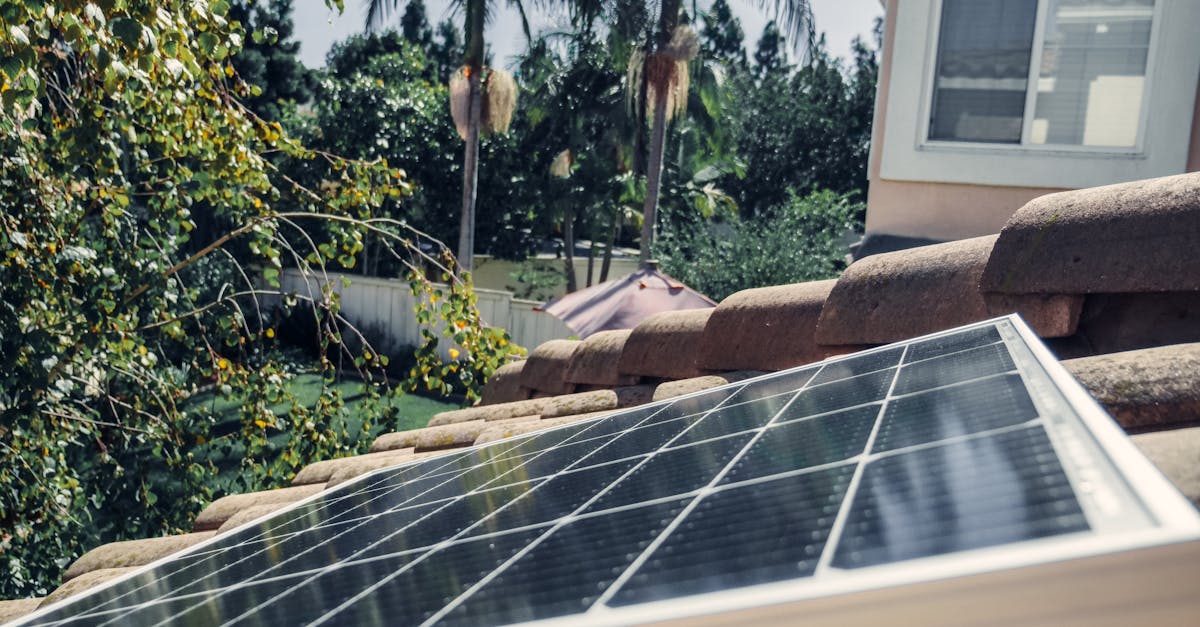
The prospect of harnessing the sun’s power for your home is an increasingly compelling one. It represents a shift towards energy independence, potential financial savings, and a tangible step in managing household environmental impact. Yet, for many homeowners, the path from curiosity to a fully operational system is paved with questions about technology, costs, and the practical steps involved.
This guide is designed to demystify that process. We will explore how modern systems convert sunlight into usable electricity, examine the key factors that determine investment and return, and provide a clear framework for evaluating your choices. The goal is to equip you with foundational knowledge, enabling a more confident and informed approach to this significant home improvement decision.
How Modern Solar Energy Systems Work
At its core, a residential solar energy system is an elegant piece of engineering that performs a straightforward task: transforming photons from sunlight into electrical current for your home. Understanding this flow is the first step in appreciating the technology’s value.
The Core Components: From Sunlight to Socket
A typical grid-tied system consists of several integrated parts, each with a specific role in the energy conversion chain.
- Solar Panels (Photovoltaic Modules): These are the most visible component, usually mounted on your roof. Each panel contains many solar cells, typically made of silicon, which generate direct current (DC) electricity when exposed to sunlight.
- Inverter: This is the brain of the operation. Household appliances use alternating current (AC). The inverter’s crucial job is to convert the DC electricity produced by the panels into usable AC electricity.
- Racking and Mounting System: This is the secure, engineered framework that attaches the panels to your roof or ground, designed to withstand weather for decades.
- Electrical Panel and Meter: The converted AC power is fed into your home’s main electrical panel, powering your lights and devices. A special bi-directional meter tracks both the electricity you draw from the utility grid and any excess power your system sends back to it.
Net Metering: The Grid as a Battery
Most homes remain connected to the local utility grid. This connection is vital through a mechanism called net metering. During sunny afternoons when your system produces more power than your home consumes, the excess electricity flows back to the grid. Your utility meter effectively runs backward, crediting your account.
At night or on cloudy days when your panels aren’t producing enough, you seamlessly draw power from the grid, using those accumulated credits. This symbiotic relationship ensures a constant, reliable power supply without the immediate need for expensive on-site battery storage.
Key Factors Influencing System Cost and Value
The investment for a solar energy system is not a one-size-fits-all figure. Several interrelated factors determine the initial price and, more importantly, the long-term financial return and energy output.
1. Your Home’s Solar Potential
The suitability of your property is the primary driver of system size and production.
- Roof Characteristics: The direction (south-facing is ideal in the Northern Hemisphere), pitch, and amount of unshaded area directly impact energy harvest. A professional assessment is essential.
- Local Climate and Sun Exposure: While solar panels work in most climates, the number of peak sun hours in your location will influence annual energy production estimates.
- Current Energy Consumption: Reviewing your past utility bills helps size a system that can offset a significant portion, if not all, of your annual electricity usage.
2. System Specifications and Equipment Quality
Not all solar panels and inverters are created equal. The technology and brand you choose affect performance, durability, and cost.
- Panel Efficiency: Higher-efficiency panels convert a greater percentage of sunlight into electricity, meaning you can generate the same power with fewer panels—a critical consideration for roofs with limited space.
- Inverter Type: Choices include standard string inverters, which handle a series of panels, or microinverters/optimizers attached to each panel. The latter can optimize output if some panels are shaded and often come with longer warranties.
- Warranties: Look for strong product warranties (often 25 years for panels) and robust performance guarantees that ensure your system will produce a specified amount of power over time.
3. Financial Considerations and Incentives
The upfront price tag is only part of the story. A range of financial mechanisms can dramatically improve the economics.
- Federal Investment Tax Credit (ITC): This is a significant incentive that allows you to deduct a percentage of your system cost from your federal taxes. It’s crucial to consult a tax professional to understand your eligibility.
- State and Local Incentives: Many states, municipalities, and utilities offer additional rebates, tax credits, or performance-based incentives that can further reduce net cost.
- Financing Options: Purchasing a system outright typically offers the highest long-term return. However, solar loans, leases, and Power Purchase Agreements (PPAs) provide alternative paths with little or no upfront cost, each with distinct ownership and financial implications.
A Framework for Comparing Your Solar Options
With multiple installers and proposals likely to come your way, a structured comparison is vital. Focus on these key metrics and questions rather than just the bottom-line price.
Evaluating Proposals: Beyond the Price Per Watt
Reputable installers will provide a detailed proposal outlining expected performance and costs. Scrutinize these documents side-by-side.
- Estimated Annual Production (kWh): This is the most important output metric. Compare the first-year and 25-year production estimates across proposals for the same system size.
- Equipment Breakdown: Ensure you know the specific makes and models of panels and inverters being proposed. Research their efficiency ratings and warranty terms.
- Total Cost and Payback Period: Calculate the net cost after all applicable incentives. A credible proposal will include an estimated payback period—the time it takes for your energy savings to equal the net system cost.
Selecting a Qualified Installer
The installer’s expertise is as critical as the equipment. Their workmanship affects system performance, roof integrity, and the smoothness of permitting and interconnection.
- Licensing and Certification: Verify the company holds the necessary state electrical and contractor licenses. Look for certifications from organizations like the North American Board of Certified Energy Practitioners (NABCEP).
- Experience and References: Ask how long they’ve been in business and for examples of recent installations in your area. Speaking to past customers can provide invaluable insight into the installation process and post-installation support.
- Service and Warranty Support: Understand who will handle system monitoring, maintenance, and warranty claims. Is it the installer, the equipment manufacturer, or a third party?
Making an Informed Decision for Your Home
The journey to solar energy is a considered investment in your property’s future utility profile and operational cost. It requires balancing technical specifications, financial calculations, and trust in a provider. By methodically understanding how the technology functions, what drives its cost and value, and how to rigorously compare offers, you move from a position of general interest to one of informed evaluation.
The next logical step is to engage with this knowledge. Requesting detailed assessments from several reputable, certified installers will provide the concrete data—specific to your home’s layout, your energy habits, and local regulations—needed to determine if this sustainable energy solution aligns with your long-term goals for your household.

Leave a Reply