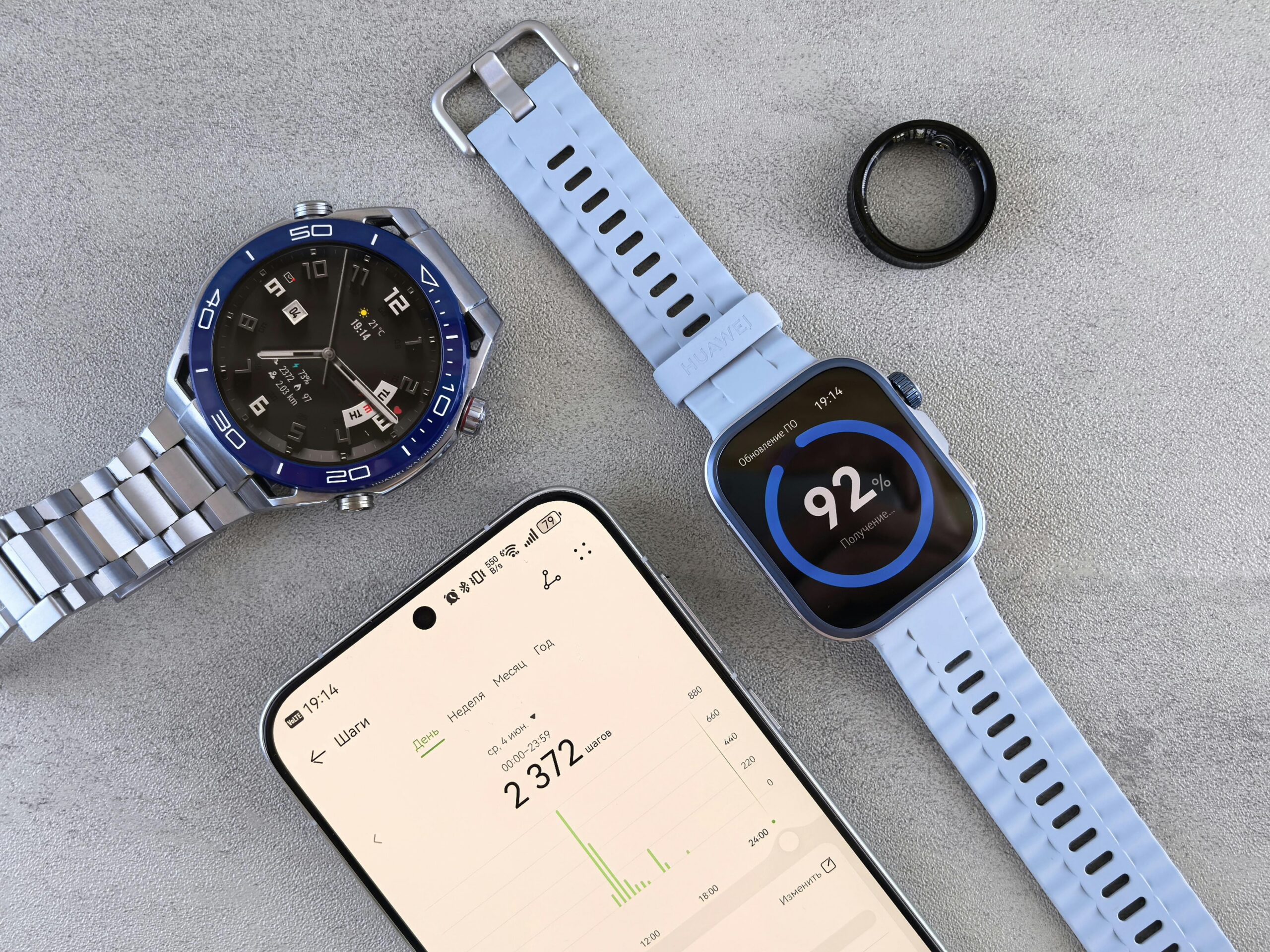
For decades, the relationship between health insurers and their members was largely transactional and actuarial—a calculation of risk based on broad demographic pools. Premiums were set, claims were processed, and annual check-ups offered a fleeting snapshot of health. This model, while functional, was fundamentally reactive and impersonal. Today, in 2026, that paradigm is undergoing a seismic shift. The catalyst? The sophisticated, always-on data stream from our wrists, fingers, and clothing. Wearable technology is no longer just a fitness accessory; it has become the foundational currency of a new insurance landscape, one that promises unprecedented personalization but also raises profound questions about privacy, equity, and the very definition of insurable risk.

The Data-Driven Feedback Loop: From Reactive to Proactive
The revolution is powered by a simple, powerful exchange: individuals share behavioral and physiological data from devices like advanced smartwatches, continuous glucose monitors (CGMs), and even smart rings, and in return, they receive tangible financial incentives and hyper-personalized health guidance. This creates a continuous feedback loop. Insurers are no longer blind to the 364 days between doctor’s visits. They can see patterns in sleep quality, resting heart rate variability, activity levels, and even stress biomarkers.
This granular data enables a move from generalized risk pools to individual risk assessment. “We’re transitioning from insuring a statistic to partnering with a person,” explains Dr. Anya Sharma, Chief Medical Officer of a leading digital health insurance provider. “When we understand your unique baseline—your personal norm for sleep, activity, and recovery—we can identify meaningful deviations that might indicate a health issue long before it becomes a costly claim. This allows for early, low-cost interventions.”
The Incentive Architecture: Premiums, Rewards, and Bespoke Services
The mechanisms for engagement have evolved far beyond simple step-count discounts. The modern personalized health insurance plan features a multi-layered incentive architecture designed to drive sustained healthy behaviors.
- Dynamic Premium Adjustments: Instead of an annual review, some premier health insurance providers now offer micro-adjustments to premiums or deductibles on a quarterly basis, based on consistent adherence to personalized health goals.
- Integrated Wellness Marketplaces: Policyholders earn “health credits” for meeting targets, which can be redeemed not for cash, but for high-value services: a session with a certified nutritionist, a month of a premium meditation app subscription, or credit toward fitness trackers and health monitors.
- Bespoke Prevention Programs: For members showing pre-diabetic markers, the insurer might automatically enroll them in a curated program that provides a connected CGM, consultations with an endocrinologist via telehealth, and deliveries of healthy meal kits from a local organic grocer—all partially or fully subsidized.
Case in Point: The Management of Chronic Conditions
The most significant impact is in chronic disease management, which accounts for the lion’s share of healthcare costs. Consider hypertension. A traditional plan might cover medication and an annual physical. A 2026 personalized wellness insurance plan for a hypertensive member would likely include a clinically-validated smart blood pressure cuff that syncs data directly to the insurer’s secure platform. Consistent, controlled readings could lower out-of-pocket costs. More importantly, the data might reveal correlations with sleep patterns or stress levels (measured via the member’s wearable), triggering personalized coaching modules to address the root causes, not just the symptom.
The Privacy Paradox: Opting Into a Panopticon?
This data intimacy naturally breeds unease. The central question for consumers is: What are the boundaries of this partnership? Insurers are quick to emphasize that participation is voluntary and governed by strict, transparent data-use policies. Data is typically aggregated and anonymized for population health research, and specific data points cannot be used to deny coverage—a protection reinforced by updated regulations in 2024. However, the ethical framework is still being tested. “The risk isn’t about denial of coverage today,” notes bioethicist Michael Thorne. “It’s about the gradual shaping of behavior through incentives. When your financial well-being is tied to your sleep schedule, who defines what ‘healthy’ behavior is? There’s a fine line between encouragement and coercion.”
What to Look for in a 2026 Personalized Insurance Plan
For consumers evaluating these new plans, sophistication is key. Not all programs are created equal. Here are critical factors to consider:
- Device Agnosticism vs. Lock-In: Does the insurer partner with a single wearable tech brand, or does its platform integrate data from Apple Health, Google Fit, or other aggregators, allowing you to use your preferred device?
- Transparency of the Algorithm: How clear is the insurer about which metrics affect rewards? Is the connection between your behavior and your benefit tangible and understandable?
- Value of the Incentives: Are the rewards merely gimmicks, or do they offer genuine value, such as access to concierge health services or significant reductions in deductible costs?
- Data Portability and Ownership: Can you easily download and take your historical health data with you if you switch providers? A clear policy here is a mark of a trustworthy partner.
The Future Is Federated: Wearables, EHRs, and the Holistic Picture
The next frontier, already emerging, is the fusion of wearable data with other digital health records. Forward-thinking insurers are developing secure patient data platforms that, with member consent, integrate wearable data with electronic health records (EHRs), pharmacy data, and genetic information. This creates a holistic health timeline. Imagine your insurer’s AI noting that your wearable detected a pattern of irregular heart rhythms; it could then cross-reference your EHR, see you have a family history of atrial fibrillation, and proactively recommend a covered consultation with a cardiologist for a preventive screening. This is proactive health capital allocation at its most effective.
Conclusion: A Partnership Redefined
The wearable-tech revolution in health insurance is moving us irrevocably from a model of collective risk to one of individual partnership. The potential for improved health outcomes and controlled costs is immense. For insurers, it transforms them from passive payers into active health allies. For individuals, it offers a path to lower costs and better health, but it demands a new level of engagement and data literacy. The success of this new era will hinge not just on technological sophistication, but on the careful, ethical construction of these partnerships—ensuring that personalization empowers rather than penalizes, and that the quest for data serves the ultimate goal of human well-being. The watch on your wrist is now more than a timepiece; it’s a window into a new contract for health.
Photo Credits
Photo by Andrey Matveev on Pexels

•
Leave a Reply