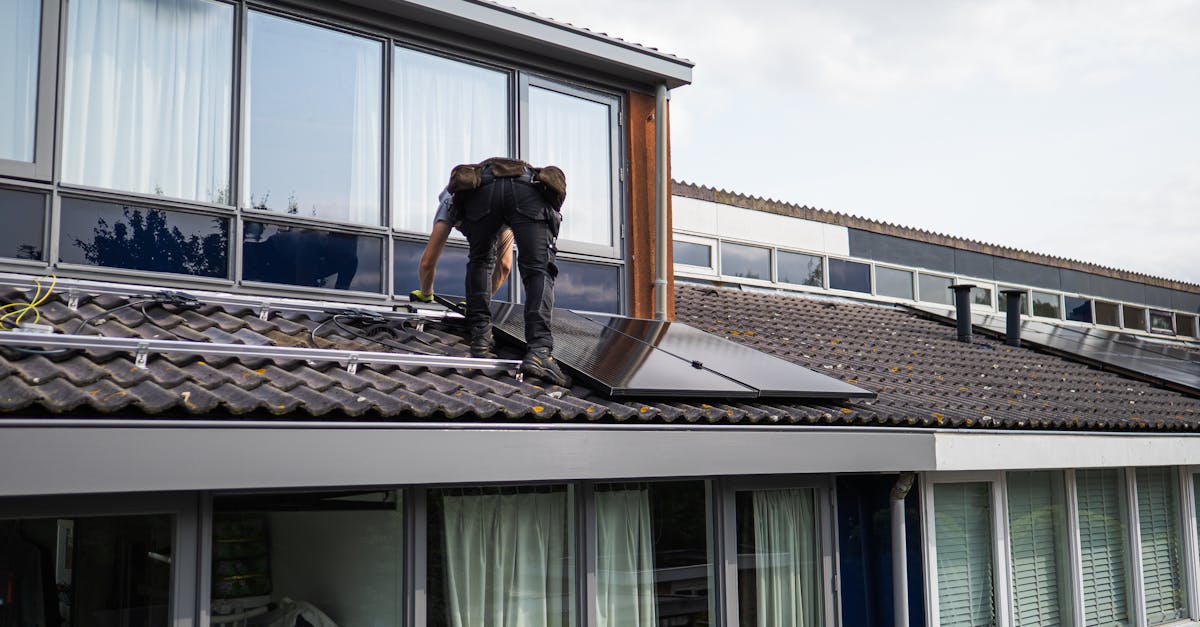
The shift toward residential solar energy is accelerating, driven by a powerful combination of rising utility costs, technological advancements, and a growing desire for energy independence. For homeowners, the prospect of generating clean electricity and locking in long-term savings is compelling. Yet, the journey from curiosity to installation is paved with critical questions and considerations that savvy homeowners are now prioritizing.
How Residential Solar Panels Actually Work
At its core, a home solar system is an elegant piece of engineering designed to convert sunlight into usable household electricity. The process is more straightforward than many assume, but understanding it is the first step in making an informed decision.
The Photovoltaic Process
Solar panels are composed of many photovoltaic (PV) cells, typically made from silicon. When sunlight hits these cells, it energizes electrons, creating a flow of direct current (DC) electricity. This is the fundamental conversion from solar energy to electrical energy on your roof.
From Sunlight to Your Appliances
The DC electricity generated by the panels is not yet compatible with your home. It travels to an inverter, a crucial component that converts it into alternating current (AC), the standard form of electricity used by your lights, refrigerator, and all other household devices.
From the inverter, the AC electricity flows into your home’s main electrical panel, powering your needs. Any excess electricity produced is typically fed back into the utility grid, often earning you credits through a process called net metering.
Key Factors That Influence Your Solar Installation Costs
The investment in a solar panel system is significant, and the final price tag is not one-size-fits-all. Homeowners are learning to scrutinize several variables that directly impact the bottom line.
- System Size and Energy Needs: The primary cost driver is the size of the system, measured in kilowatts (kW). A larger system to offset 100% of your electricity use costs more upfront but delivers greater long-term savings.
- Panel Quality and Efficiency: Premium, high-efficiency panels convert more sunlight per square foot, which can be crucial for roofs with limited space. They come at a higher cost but may yield better performance over decades.
- Roof Characteristics: A simple, south-facing roof with strong structural integrity is less expensive to equip. Complex roofs with multiple angles, obstructions, or need for reinforcement will increase labor and material costs.
- Local Incentives and Regulations: The federal investment tax credit (ITC) can reduce system cost by 30%. Additional state rebates, local utility incentives, and solar renewable energy certificates (SRECs) can dramatically improve financial returns.
- Installation Company and Equipment Choice: Quotes can vary widely between installers. The choice between a string inverter, which handles the whole system, or microinverters, attached to each panel for optimized performance, also affects price.
Essential Considerations Before You Commit
Beyond understanding costs, experienced homeowners emphasize due diligence on these practical aspects. A thorough evaluation here separates a rewarding investment from a problematic one.
Your Home’s Solar Suitability
Not every roof is an ideal candidate. A professional assessment should evaluate:
- Sun Exposure: How many hours of direct, unshaded sunlight does your roof receive annually? Southern exposures are typically best in the Northern Hemisphere.
- Roof Condition and Age: If your roof needs replacement in the next 5-10 years, it is often advised to do that first. Removing and reinstalling panels for a reroofing project adds significant expense.
- Local Climate: Solar panels generate power from light, not heat. They work efficiently in sunny, cold climates and still produce on cloudy days, though output is reduced.
Financing and Payback Analysis
How you pay for the system changes the financial calculus. Homeowners commonly choose between:
- Cash Purchase: This offers the highest long-term savings and immediate ownership, with a typical payback period of 6-10 years, after which the electricity generated is virtually free.
- Solar Loan: Allows for system ownership with little to no money down. Monthly loan payments are often designed to be less than your previous electric bill, creating instant savings.
- Lease or Power Purchase Agreement (PPA): A third party owns the system. You pay a fixed monthly rate for the electricity it produces, avoiding upfront costs but forgoing tax credits and long-term equity benefits.
Choosing the Right Installer
The installer’s expertise is as important as the equipment. A reputable company ensures proper design, permitting, installation, and long-term service.
- Seek multiple detailed quotes that break down equipment, labor, and projected energy production.
- Verify licenses, insurance, and certifications like NABCEP (North American Board of Certified Energy Practitioners).
- Scrutinize warranties: a 25-year performance warranty on panels and a 10+ year warranty on the inverter and workmanship are industry standards.
- Read reviews and ask for references from local customers with systems that have been operational for several years.
Navigating Incentives and Long-Term Value
The financial appeal of solar extends beyond monthly bill savings. Homeowners are factoring in the full spectrum of economic benefits, which can be substantial.
The federal solar tax credit remains the most significant incentive, directly reducing your federal income tax liability. Many states offer additional rebates or property tax exemptions for the added home value from solar. Furthermore, net metering policies ensure you get credit for surplus energy, effectively using the grid as a battery.
Studies consistently show that homes with solar panel systems sell faster and at a premium compared to non-solar homes. Buyers appreciate the locked-in, lower operating costs. This combination of immediate savings, protection against rising utility rates, and increased property value forms a compelling financial case.
The Path Forward for Homeowners
The collective experience of early adopters has created a clear roadmap. Success with solar is not about chasing the lowest price per watt in isolation. It is about a holistic assessment that balances quality equipment, expert installation, and a transparent financial model tailored to your home and goals.
The most satisfied homeowners are those who entered the process as informed consumers. They took the time to understand their energy consumption, obtained multiple site-specific proposals, and asked detailed questions about production guarantees, warranty service, and the installer’s track record. This diligent approach transforms the promise of solar from a vague concept into a tangible, profitable, and sustainable upgrade to your home.

Leave a Reply